Author page: staff

10404232_1015398ཁ་སང་གཟའ་ཕུར་བའི་དགོང་དྲོར་བོད་མདོ་ཁམས་སྒ་སྐྱེ་རྒུ་མདོ་གྲོང་ཁྱེར་དུ་གྲྭ་བསོད་ནསམ་སྟོབས་རྒྱལ་ལགས་ཀྱིས་རང་ལུས་མེར་བསྲེགས་ཀྱིས་ཞི་བའི་ངོ་རྒོལ་གནང་ཡོད་འདུག ད་ལྟའི་ཆར་ཁོང་འདས་གྲོངས་ཕྱིན་ཡོད་མེད་གྱི་གནས་ཚུལ་ཤེས་རྟོགས་ཐུབ་མི་འདུག

འདི་ག་ལྟེ་གནས་ཁང་ལ་གནས་ཚུལ་འབྱོར་དོན། ཕྱི་ལོ་ ༢༠༡༥ ཟླ་ ༧ ཚེས་ ༩ གཟའ་ཕུར་བུའི་ཉིན་རྒྱབ་ཆུ་ཚོད་ ༦ པ་ཡས་མས་ཤིག་ལ། བོད་མདོ་ཁམས་སྒ་སྐྱེ་རྒུ་མདོ་གྲོང་ཁྱེར་གྱི་གེ་སེར་ཐང་ཆེན་དུ་བོད་རིགས་གྲྭ་པ་ཞིག་གིས། རྒྱ་གཞུང་གིས་བོད་ཐོག་འཛིན་པའི་དྲག་གནོན་དབང་སྒྱུར་གྱི་མི་སེར་སྤེལ་བའི་སྲིད་ཇུས་ལ་ཞི་བའི་ངོ་རྒོལ་གྱིས་རང་ལུས་མེར་བསྲེགས་བཏང་ཡོད་འདུག

རང་ལུས་མེར་བསྲེགས་གཏོང་མཁན་གྲྭ་པ་དེའི་མཚན་ལ་བསོད་ནམས་སྟོབས་རྒྱལ་ཟེར་བ་དང་། ད་ལྟ་ཁོང་རང་ལོ་ ༢༦ ཡིན་འདུག ཁོང་གི་ཕ་ཡུལ་ཁམས་ནང་ཆེན་རྫོང་ཁོངས་ནས་ཡིན་པ་དང་། ཕའི་མིང་ལ་ནང་ཆེན་བཀྲ་ཤིས་ཟེར་གྱི་འདུག ཁོང་གིས་དེ་སྔོན་ཁམས་སྡེ་དགེ་རྫོང་གསར་དགོན་དུ་ལོ་བདུན་རིང་སློབ་གཉེར་གནང་མྱོང་ཡོད་འདུག ད་ལྟའི་ཆར་ས་གནས་སུ་དམ་དྲག་ཤུགས་ཆེན་པོ་བྱེད་ཀྱིན་ཡོད་སྟབས། ཁོང་འདས་གྲོང་ཕྱིན་ཡོད་མེད་སོགས་ཀྱི་གནས་ཚུལ་གང་ཡང་ཤེས་རྟོགས་ཐུབ་ཀྱི་མེད་པ་རེད། ཁོང་གིས་རང་ལུས་མེར་བསྲེགས་གཏོང་ཡུལ་ས་གནས་ནི། རྒྱ་གཞུང་གིས་བོད་ས་བཅད་བགོས་ཀྱི་ད་ལྟའི་མི་སེར་སྤེལ་བའི་དབང་སྒྱུར་ས་ཁོངས་ལྟར་བྱས་ན། མཚོ་སྔོན་ཞིང་ཆེན་ཡུལ་ཤུལ་བོད་རིགས་རང་སྐྱོང་ཁུལ་ཡུལ་ཤུལ་རྫོང་གྲོང་ཁྱེར་ཁུལ་དུ་ཡོད་པའི་གེ་སེར་ཐང་ཆེན་ཟེར་བའི་འདུ་ཐང་དེའི་གཡས་ཟུར་ཡིན་འདུག

Continue Reading

བོད་མདོ་སྨད་མཚོ་སྔོན་ཞིང་ཆེན་མཚོ་ལྷོ་ཁུལ་མང་ར་རྫོང་མགོ་མང་ཞང་ཐོག་ཏུ། རྒྱ་གཞུང་དྲག་ཆས་དམག་མིས་བོད་མིའི་མཐོང་ལམ་དུ་རྔམས་སྟོན་འཇིགས་སྐུལ་བྱེད་བཞིན་པ།པར་དབང་། (Frederic J. Brown/AFP/Getty Images)

འདི་ག་བོད་ཀྱི་འགྲོ་བ་མིའི་ཐོབ་ཐང་དང་མང་གཙོ་འཕེལ་རྒྱས་ལྟེ་གནས་ཁང་གི་ངོས་ནས། ཕྱི་ལོ་ ༢༠༡༥ ཟླ་ ༧ ཚེས་ ༡ ཉིན་རྒྱ་གཞུང་གིས་གཏན་འབེབས་ལག་བསྟར་བྱས་པའི་རྒྱལ་སྲུང་བཅའ་ཁྲིམས་གསར་པ་དེའི་ཐད་བློ་འཚབ་ཆེན་པོ་བྱེད་བཞིན་ཡོད། མ་འོངས་པར་རྒྱ་གཞུང་གིས་བཅའ་ཁྲིམས་གསར་པ་དེ་བེད་སྤྱད་ནས། སྔར་ནས་བོད་ནང་འགྲོ་བ་མིའི་ཐོབ་ཐང་བརྡལ་བཤིག་གཏོང་བཞིན་པའི་གནས་སྟངས་དེ་སྔར་བར་ཛ་དྲག་ཏུ་འགྲོ་སྲིད་པར་ངོས་འཛིན་བྱེད་བཞིན་ཡོད།

རྒྱ་ནག་གི་རྒྱལ་སྲུང་བཅའ་ཁྲིམས་གསར་པ་དེ་ཡིས། འགྲོ་བ་མིའི་ཐོབ་ཐང་དང་ཁྲིམས་ཀྱི་དབང་བསྒྱུར། དེ་བཞིན། གཞན་པའི་རྒྱལ་ཁབ་དང་མི་རིགས་ཀྱི་བདེ་དོན་ཐད་བསམ་ཤེས་གུ་ཡངས་གང་ཡང་བྱས་མེད་པ་དང་། དེར་མ་ཟད་རྒྱལ་སྲུང་བཅའ་ཁྲིམས་གསར་པ་དེར་སྤྱི་བཤད་རང་བཞིན་དང་གསལ་ཁ་མེད་པའི་ཐ་སྙད་རིགས་བེད་སྤྱོད་བྱས་ཏེ། རྒྱ་གཞུང་གིས་མ་འོངས་པར་གདོང་གཏད་དགོས་པ་དང་རྩོད་ལེན་དགོས་རིགས་གྱི་གནས་ཚུལ་མཐའ་དག་རྒྱལ་ཁབ་ཀྱི་བདེ་འཇགས་དང་འབྲེལ་བའི་ཉེན་ཁར་བརྩིས་ཡོད། དེ་ནི་སྔར་ཁུངས་མ་འཁྱོལ་བའི་སྲིད་ཇུས་དེ་མུ་མཐུད་མཇུག་སྐྱོང་བྱ་ཐབས་ཤིག་རེད། རྒྱ་གཞུང་གིས་ཞི་བའི་སྒོ་ནས་གནད་དོན་རྣམས་ཐག་གཅོད་ཡོང་ཐབས་བྱེད་ཀྱིན་མེད་པར། རྒྱ་ནག་ནང་གི་གནད་དོན་མཐའ་དག་སྔར་བའི་ཛ་དྲག་ཏུ་གཏོང་བཞིན་ཡོད།

Continue Reading

Chinese paramilitary troops pass by a Tibetan man in Gomang Township in Tsolho Tibetan Autonomous Prefecture, Qinghai Province, in Tibetan province of Amdo. (Frederic J. Brown/AFP/Getty Images)

The Tibetan Centre for Human Rights and Democracy (TCHRD) is deeply concerned about the new National Security Law that was released in the People’s Republic of China (PRC) on 1 July 2015. As a human rights organization, TCHRD believes that this new law will enable Chinese authorities to further justify the human rights abuses that continue to take place for Tibetans today.

The new National Security Law does not make any concessions to human rights, rule of law, or the interests of other States or peoples. Instead, the National Security Law relies on broad and vague language to announce that the PRC will confront and fight-back against any perceived threat. This is a continuation of failed policies that do not seek to peacefully settle disputes, and simply exacerbate problems in the PRC instead.

Despite paying lip service to human rights in four articles (Articles 7, 16, 27 and 83), the National Security Law takes the position that is hostile to basic human rights protections. For example, Article 27 says that the PRC protects freedom of religion but then lists duties and responsibilities for religious management, including opposing foreign influence and interference. The PRC views any acknowledgment of the Dalai Lama, including possession of his teachings, praying for his long life or celebrating his birthday, as counter to the Party. For monks, such as Tsangyang Gyatso, the charge of “contacting outsiders” can result in long prison sentences.

Continue Reading

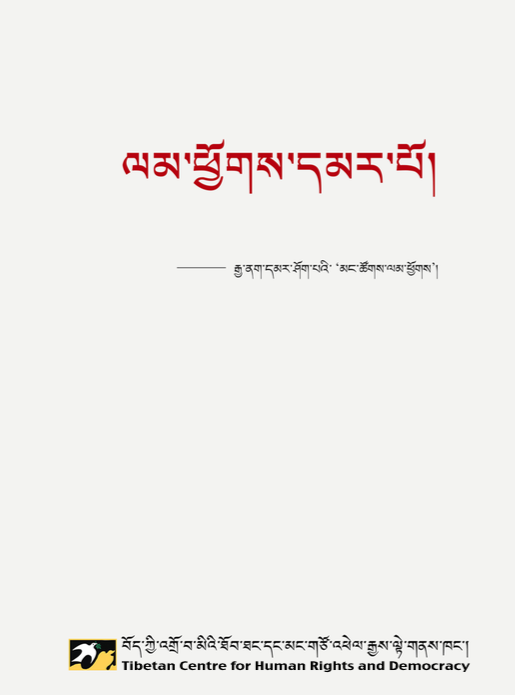
massline cover 1འདི་ག་བོད་ཀྱི་འགྲོ་བ་མིའི་ཐོབ་ཐང་དང་མང་གཙོ་འཕེལ་རྒྱས་ལྟེ་གནས་ཁང་གིས། རྒྱ་གཞུང་གིས་བོད་ནང་དམར་ཤོག་མང་ཚོགས་ལམ་ཕྱོགས་སློབ་གསོ་ཟེར་བའི་ཆབ་སྲིད་ལས་འགུལ་སྤེལ་ཏེ། བོད་ཀྱི་ས་ཁུལ་ཁག་ནང་བོད་མིའི་སྤྱི་དམངས་ཁེ་དབང་དང་འགྲོ་བ་མིའི་ཐོབ་ཐང་རྩ་གཏོར་གཏོང་བཞིན་པའི་ཐད། <<ལམ་ཕྱོགས་དམར་པོ>> ཞེས་པའི་ཉམས་ཞིབ་སྙན་ཐོ་ཞིག་ཉེ་ཆར་བོད་ཡིག་ཐོག་འདོན་སྤེལ་བྱས་ཡོད།

ཞི་ཅིན་ཕིན་རྒྱ་ནག་དམར་ཤོག་སྲིད་འཛིན་ཆགས་རྗེས། རྒྱ་ནག་ཁྱོན་ཡོངས་ལ་དམར་ཤོག་ ‘མང་ཚོགས་ལམ་ཕྱོགས’ ཟེར་བའི་མའོ་ཡི་འཐབ་རྩོད་ལས་འགུལ་གྱི་མེ་རོ་བསྐྱར་དུ་གསོས་ཤིང་། ‘སྟག་དང་སྦྲང་མ་མཉམ་རྡུང’ གི་རུལ་སུངས་ངོ་རྒོལ་གྱི་འབོད་ཚིག་འོག་དམར་ཤོག་མཐོ་རིམ་དཔོན་རིགས་ ༡༠༠ ལྷག་ལ་ཞིབ་བཤེར་ཁྲིམས་གཅོད་དང་། ‘སྤྱོད་ངན་བཞི།’ ‘དབུས་དམར་ཤོག་གི་གཏན་འབེབས་བརྒྱད’ སོགས་ཀྱི་དྲིལ་བསྒྲགས་འོག གཞི་རིམ་དམར་ཤོག་ལས་བྱེད་པར་ཞིབ་བཤེར་གྱིས་དམར་གཙང་སྲིད་གཙང་ཟེར་བའི་ལས་འགུལ་སྤེལ་ཏེ། དམར་ཤོག་དང་མང་ཚོགས་བར་ཤ་དང་རུས་པ་ལྟ་བུའི་འབྲེལ་བ་ཟབ་མོ་འཛུགས་རྒྱུ་ཡིན་པ་དང་། ཁྲིམས་སྐྱོང་སྤྱི་ཚོགས་འཛུགས་རྒྱུ་ཡིན་སྐོར་དྲིལ་སྒྲོག་ཤུགས་ཆེན་བྱས་ཡོད། ཡིན་ནའང་། འདས་པའི་ལོ་ ༣ ལྷག་གི་ཞིས་ཅིན་ཕིན་གྱིས་སྲིད་བསྐྱངས་དུས་ཡུན་རིང་། དམར་ཤོག་ ‘མང་ཚོགས་ལམ་ཕྱོགས’ དང་འབྲེལ་ཏེ་བོད་ནང་དམ་དྲག་སྲིད་ཇུས་མང་པོ་ལག་བསྟར་བྱས་ཏེ། བོད་མིའི་འགྲོ་བ་མིའི་ཐོབ་ཐང་གནས་སྟངས་སྔར་བའི་ཇེ་ཞན་ཇེ་སྡུག་ཏུ་ཕྱིན་ཡོད།

Continue Reading

'The Red Path'
‘The Red Path’

The Tibetan Centre for Human Rights and Democracy (TCHRD) has published a report in Tibetan on the Chinese Communist Party’s (CCP) so-called “Mass Line Campaign” in Tibetan areas. The report titled lam chok mar po (The Red Path) documents the human rights violations caused by the ‘mass line’ political campaign in Tibet.

Under the direction of Xi Jinping, the president of the People’s Republic of China (PRC), the CCP has launched a Mass Line political campaign throughout China, reminiscent of Mao Zedong’s rectification campaign, and aimed at eliminating all opposition, both real and perceived. Under the guise of combatting corruption, the CCP has begun striking hard upon both the “tigers and flies.” As of now, more than hundred senior figures of the party have been indicted and punished under this campaign, including former head of China’s security Zhou Yongkang, sentenced to life in prison in June this year. Moreover, under slogans such as “the Four Misdeeds” and “Eight Principles” meant to “clean up the Party,” grassroots officials have been subjected to investigation for corruption and misuse of power.

Continue Reading

Sonam Dharwang
Sonam Dharwang

Three Tibetan businessmen and a young poet have been given harsh prison terms in Diru (Ch: Biru) County in Nagchu (Ch: Naqu) Perfecture, Tibet Autonomous Region (TAR).

The three businessmen identified as Sonam Dharwang, Lhanam and Tsering Lhadup, were each sentenced to eight years, while poet Tenzin Kalsang received seven years of imprisonment in May 2015, according to information received by the Tibetan Centre for Human Rights and Democracy (TCHRD).

The businessmen are natives of Kado Village in Choenyi (or Lhenchu) Township in Diru Country in the eastern Tibetan province of Kham. They were charged of ‘inciting quarrels among the public’ and ‘opposing the government’.

There is no information on where the four sentenced Tibetans are held and in what condition. The details of their trials and sentencing are not immediately available.

Continue Reading

ཉེ་སྔོན་ཕྱི་ཟླ་ལྔ་པའི་ནང་རྒྱ་གཞུང་གིས་ཁམས་འབྲི་རུ་རྫོང་ཁོངས་ཀྱི་བོད་རིགས་ཚོང་པ་གསུམ་དང་། སྙན་ངག་པ་གཅིག་བཅས་ལ་བཙོན་འཇུག་ཁྲིམས་ཐག་ལྕི་མོ་བཅད་ཡོད་ཀྱང་། ས་ཁུལ་དེར་དམ་དྲག་ཤུགས་ཆེན་བྱེད་བཞིན་ཡོད་སྟབས། ཁོང་ཚོ་འཇུ་བཟུང་བཙོན་འཇུག་ཐད་ཀྱི་ཞིབ་ཕྲའི་གནས་ཚུལ་ཤེས་རྟོགས་ཐུབ་ཀྱི་མི་འདུག

རྒྱ་གཞུང་གིས་ལོ་ ༨ ཀྱི་བཙོན་འཇུག་ཁྲིམས་ཐག་བཅད་ཟིན་པའི་ཚོང་པ་བསོད་ནམས་དར་དབང་ལགས།

འདི་ག་ལྟེ་གནས་ཁང་ལ་གནས་ཚུལ་འབྱོར་དོན། ཕྱི་ལོ་ ༢༠༡༥ ཟླ་ ༥ ནང་ཁམས་འབྲི་རུ་རྫོང་ཆུ་གཉིས་ཡུལ་ཚོའི་ས་གནས་བོད་རིགས་ཚོང་པ་བསོད་ནམས་དར་དབང་དང་ལྷ་རྣམ། ཚེ་རིང་ལྷ་འགྲུབ་བཅས་གསུམ་ལ། རྒྱ་གཞུང་གིས་ཁོང་ཚོར་མི་དམངས་ཁྲོད་དཀྲུག་ཤིང་བརྒྱབ་པ་དང་། སྲིད་གཞུང་ལ་ངོ་རྒོལ་གྱི་ཉེས་མིང་འོག སོ་སོར་ལོ་བརྒྱད་རེའི་དུས་བཀག་བཙོན་འཇུག་ཁྲིམས་ཐག་བཅད་ཡོད་འདུག

ཡིན་ནའང་། བོད་རིགས་ཚོང་པ་དེ་གསུམ་ལ་ཁྲིམས་ཁང་གང་དུ་བཙོན་འཇུག་ཁྲིམས་ཐག་བཅད་མིན་དང་། ད་ལྟའི་ཆར་བཙོན་ཁང་གང་ཞིག་ཏུ་བཙོན་འཇུག་བཀག་བསྐྱིལ་བྱས་ཡོད་མེད་དང་། འཇུ་བཟུང་དང་ཁྲིམས་གཅོད་ཀྱི་ཞིབ་ཕྲའི་ཟླ་ཚེས་སོགས་ཤེས་རྟོགས་ཐུབ་ཀྱི་མེད་པ་རེད།

Continue Reading

Screen Shot 2015-06-29 at 1.56.10 pmའདི་ག་བོད་ཀྱི་འགྲོ་བ་མིའི་ཐོབ་ཐང་དང་མང་གཙོ་འཕེལ་རྒྱས་ལྟེ་གནས་ཁང་གིས། བོད་ནང་གནས་བཞུགས་རྩོམ་པ་པོ་དྷི་ལྷ་ལྡན་ལགས་ཀྱི་བརྩམས་དེབ་གཉིས་པ་ <<བསྟུན་རྒོལ་ཁྲིམས་གཏུགས>> པར་བསྐྲུན་ཐོག ཕྱི་ལོ་ ༢༠༡༥ ཟླ་ ༦ ཚེས་ ༢༩ གཟའ་ཟླ་བའི་ཉིན་བཞུགས་སྒར་དྷ་རམ་ས་ལར་གསར་དུ་དབུ་འབྱེད་འགྲེམས་སྤེལ་དང་། དེ་བཞིན། རྒྱ་ཆེའི་ཀློག་པ་རྣམས་ལ་བཀླག་བདེ་ཡོང་ཐབས་སུ། PDF ཡིག་ཆའི་རྣམ་པའི་གློག་རྡུལ་དེབ་གཟུགས་བཟོས་ཏེ་དྲ་ལམ་བརྒྱུད་འགྲེམས་སྤེལ་བྱས་ཡོད།

<<བསྟུན་རྒོལ་ཁྲིམས་གཏུགས>> ཞེས་པའི་དེབ་ནང་། རྩོམ་པ་པོ་ཁོང་གིས་ཡོངས་ཁྱབ་འགྲོ་བ་མིའི་ཐོབ་ཐང་དང་། རྒྱལ་སྤྱིའི་ཁྲིམས་ལུགས། རྒྱ་གཞུང་གི་རྩ་ཁྲིམས་ཀྱི་དངོས་བསྟན་དང་ཡོངས་སུ་བསྟུན་པའི་སྒོ་ནས། རྒྱ་གཞུང་གི་སྒེར་གཅོད་སྲིད་ཇུས་ཀྱི་ལོག་སྤྱོད་ཐེར་འདོན་བྱས་ཡོད་པ་མ་ཟད། ཞི་བདེ་དང་རང་དབང་། འདྲ་མཉམ། མང་གཙོ་བཅས་འགྲོ་བ་མིའི་ཡོངས་ཁྱབ་རིན་ཐང་གཞི་རྩར་བཟུང་སྟེ། རྒྱ་གཞུང་གི་མི་སེར་སྤེལ་བའི་དབང་སྒྱུར་འོག་གནས་པའི་ད་ལྟའི་བོད་ནང་གི་ཛ་དྲག་གནས་སྟངས་སྐོར་གསལ་འདོན་བྱས་ཡོད།

Continue Reading

10155166_10153402905881678_7733706675774323609_nའདི་ག་བོད་ཀྱི་འགྲོ་བ་མིའི་ཐོབ་ཐང་དང་མང་གཙོ་འཕེལ་རྒྱས་ལྟེ་གནས་ཁང་གི་ངོས་ནས། ཟླ་འདིའི་ཕྱི་ཚེས་ ༢༩ རེས་གཟའ་ཟླ་བའི་ཉིན། <<བོད་ནང་ལུགས་མཐུན་སྒོས་ཁེ་ལས་ཚོང་གཉེར་ཡོང་ཐབས>> སྐོར་གྱི་ལམ་སྟོན་ཡིག་ཆ་ཞིག་ཀྱང་འགྲེམས་སྤེལ་བྱས་ཡོད། སྤྱིར་བོད་ནང་རྒྱལ་ཁབ་ཕྱི་ནང་གི་ཁེ་ལས་ཚོང་གཉེར་པ་རྣམས་ཀྱིས། སོ་སོའི་དཔལ་འབྱོར་འདུ་འགོད་ཀྱི་ཁེ་ཕན་ཁོ་ནར་དམིགས་ཏེ། བོད་མིའི་འགྲོ་བ་མིའི་ཐོབ་ཐང་དང་ཁེ་དབང་སྣང་མེད་བརྡལ་བཤིག་གཏོང་བའི་གནས་སྟངས་ཡོང་བཞིན་ཡོད་སྟབས། དེབ་འདིའི་ནང་དོན་ཚན་ ༣༥ སྒོ་ནས་བོད་མིའི་ཐོབ་ཐང་དང་ཁེ་དབང་བརྩི་སྲུང་ཐོག་ཚོང་གཉེར་བྱ་དགོས་པའི་སྐོར་གསལ་འདོན་བྱས་ཡོད།

<<བོད་ནང་ལུགས་མཐུན་སྒོས་ཁེ་ལས་ཚོང་གཉེར་ཡོང་ཐབས>> སྐོར་གྱི་ལམ་སྟོན་ཡིག་ཆ་འདིས། བོད་ནང་ཚོང་ལས་གཉེར་མཁན་རྣམས་ལ་སྔར་མེད་ཀྱི་དམིགས་བསལ་གོ་བརྡ་གཞན་གང་ཡང་སྟོན་གྱིན་ཡོད་པར། རྒྱ་གཞུང་རང་ཉིད་ཀྱིས་ངོས་འཛིན་ཡོད་པའི་ཁྲིམས་ལུགས་ཁག་གི་གཏན་འབེབས་སྒྲིག་གཞི་བསྐྱར་དུ་གསལ་འདོན་བྱས་ཡོད། ༢༠༡༡ ལོར་མཉམ་འབྲེལ་རྒྱལ་ཚོགས་ཀྱིས་ཚོང་ལས་འོས་འགན་དང་འགྲོ་བ་མིའི་ཐོབ་ཐང་ཐད་ཀྱི་རྩ་འཛིན་ཡིག་ཆ་འགྲེམས་སྤེལ་བྱས་པ་དེར་རྒྱ་གཞུང་གིས་ཀྱང་མོས་མཐུན་ངོས་འཛིན་ཐོབ་ཡོད་པ་རེད། དེ་བཞིན། ལམ་སྟོན་ཞིག་ཆ་འདིས་གཞི་བཅོལ་ས་ནི་རྒྱ་ནག་གི་ལྕགས་རིགས་བཟོ་ཚོང་སྡེ་ཁག་གིས་ངོས་ལེན་ཡོད་པའི་རང་བྱུང་གཏེར་ཁ་དང་། རྫས་སྦྱོར་ཐོན་དངོས་ཕྱིར་འཚོང་ནང་འདྲེན་སོགས་དང་འབྲེལ་བའི་རྒྱ་ནག་གི་རྒྱལ་ནང་དང་ཕྱི་རྒྱལ་ཚོང་ལས་དོ་དམ་སྐོར་གྱི་གཏན་འབེབས་ཚད་གཞི་གཞིར་བཟུང་ཡོད། རྩ་འཛིན་ཡིག་ཆ་དེ་དག་ནི་རྒྱ་གཞུང་གི་གཞུང་འབྲེལ་ཁྲིམས་ཡིག་ཅིག་ཆགས་ཀྱི་མེད་ནའང་། རྒྱ་གཞུང་གིས་རྒྱ་ནག་ནང་ཚོང་ལས་ཀྱིས་འགྲོ་བ་མིའི་ཁེ་དབང་འགན་སྲུང་རྩ་འཛིན་དེར་ངོས་ལེན་བྱེད་ཀྱིན་ཡོད་པ་རེད།

Continue Reading

Screen Shot 2015-06-29 at 1.19.09 pm

The Tibetan Centre for Human Rights and Democracy (TCHRD) released yesterday the second book written by underground Tibetan writer Dhi Lhaden, the courageous former monk and intellectual based in Amdo, Tibet.

Originally composed in Tibetan and titled Tungol Trimtug (‘Resistance Through Cooperation With Law’), it has been translated into English with a new title ‘The Art of Passive Resistance’. This is Lhaden’s second book, translated and published by TCHRD.

In this book, Dhi Lhaden explores themes such as the rule of law, freedom, peace, equality, non-violence, and looks to public figures known for their approach of peaceful resistance such as the Dalai Lama, Gandhi, Martin Luther King Jr., and George Washington.

Continue Reading

code of conductOn 29 June the Tibetan Centre for Human Rights and Democracy (TCHRD) will release a code of conduct for businesses operating in Tibet. The code of conduct highlights the major human rights issues in Tibet and their human rights obligations. In 35 articles divided into eight categories, the code of conduct outlines how businesses can avoid contributing to or participating in human rights abuses in Tibet.

The code of conduct does not make any new demands or place extra requirements on businesses operating in Tibet. Instead, the code of conduct draws upon existing legal standards and standards accepted and endorsed by the People’s Republic of China (PRC). Since their release in 2011, the UN Guiding Principles on Business and Human Rights defined businesses’ human rights obligations. The Guiding Principles have been endorsed by the PRC. The code of conduct also draws heavily on the Chinese Chamber of Commerce of Metals, Minerals and Chemicals Imports and Exports (CCCMC) Guidelines for Chinese businesses operating outside of the PRC. Even though the CCCMC Guidelines are not official government standards, they have been endorsed by the PRC and held as an example of the PRC’s commitment to corporate social responsibility.

Continue Reading

to top